By Our Correspondent
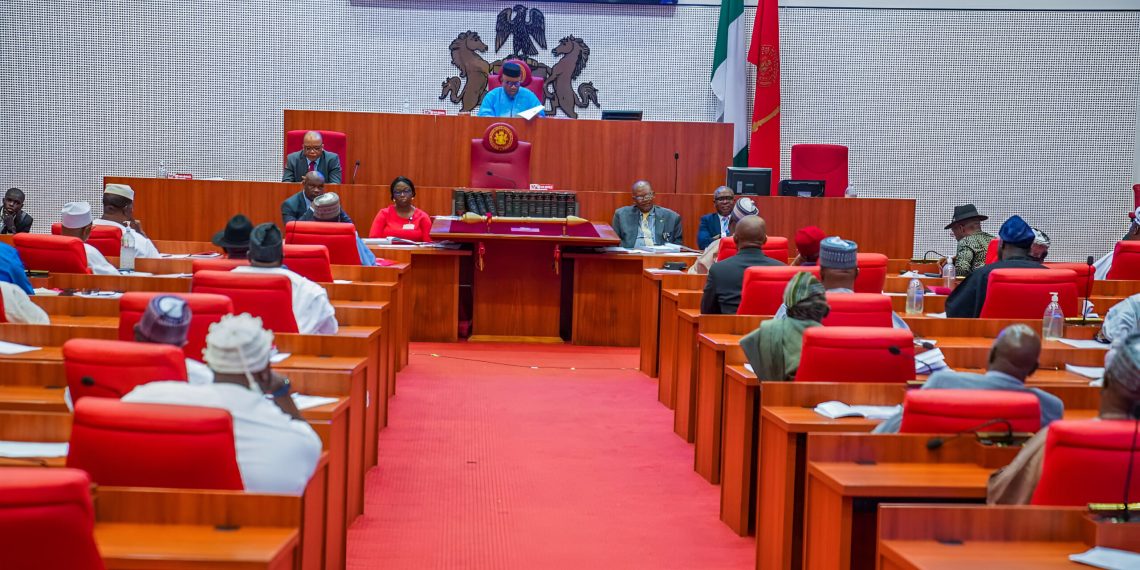
Ahead of the 2027 general elections, the Senate has directed the Independent National Electoral Commission (INEC) to immediately reinstate the Ukum II and Konshisha II (Shangev-Tiev) state constituencies in Benue State, in line with a Court of Appeal judgment.
The Senate also called for the restoration of Gboko East I State Constituency.
The Court of Appeal had earlier ruled that the two constituencies be reinstated.
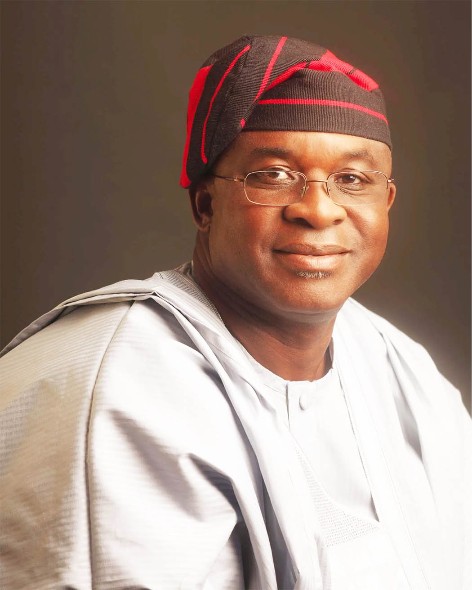
The Senate’s resolution followed a motion moved by the Chairman of its Committee on Anti-Corruption and Financial Crimes, Senator Emmanuel Memga Udende, who noted that although the Court of Appeal sitting in Makurdi delivered its judgment on December 5, 2025, INEC had yet to implement it.
Udende informed lawmakers that the court granted all the reliefs sought, including an order directing INEC to conduct elections in Ukum II (Afia) and Konshisha II (Shangev-Tiev) constituencies during the 2027 general elections without fail.
INEC, which is constitutionally empowered under Section 153(f) of the 1999 Constitution (as amended) to organise, undertake, and supervise elections into elective offices, was the defendant in the suit.
The Senate noted that Section 91 of the Constitution prescribes the minimum and maximum number of seats in state Houses of Assembly, while Section 112 mandates INEC to divide each state into constituencies corresponding to the number of Assembly seats.
Udende further stated that INEC is responsible for ensuring population equity in constituency delineation. He added that Section 113 requires periodic review of constituencies at intervals of not less than 10 years, while Section 114 empowers the commission to adjust boundaries in line with constitutional provisions.
He also pointed out that the Electoral Act 2022 (as amended) reinforces INEC’s constitutional mandate and provides guidelines for electoral administration, including constituency delineation.
The Senate stressed the need to correct the longstanding anomaly, insisting that the constitutional right of affected communities to fair representation must be upheld.
Udende reminded his colleagues that the constituencies existed and functioned during the Second and Third Republics, providing representation to the people before their removal in the Fourth Republic without adequate constitutional justification.
He further noted that their removal and merger led to democratic exclusion, population imbalance, and under-representation of certain communities in Benue State.
According to him, the Afia and Shangev-Tiev communities have distinct demographic, cultural, and economic identities and have contributed significantly to the development of Benue State and the country. He added that the Court of Appeal judgment reaffirmed constitutional supremacy, judicial authority, and the democratic rights of the people.
The Senate expressed concern that any delay by INEC in implementing the ruling could undermine constitutional order, public confidence in democratic institutions, and the credibility of elections.
It therefore called for immediate compliance, stressing that restoring the constituencies is crucial for peace, political stability, and credible elections in Benue State.
The upper chamber also urged INEC to urgently update electoral boundaries, voter registers, administrative structures, and election plans to reflect the reinstated constituencies ahead of 2027. It further mandated its Committee on INEC and Electoral Matters to engage the commission, obtain a clear implementation timeline, and monitor compliance.
Additionally, the Senate called on the National Assembly and the executive arm of government to provide INEC with the necessary funding and technical support to facilitate the restoration and conduct of elections, while seeking concurrence from the House of Representatives.