By Our Correspondent
The Federal Government has said that Nigeria’s public debt profile has been overstated, insisting that the President Bola Ahmed Tinubu administration has not borrowed anywhere close to the nearly ₦80 trillion being cited by some public commentators and media reports.
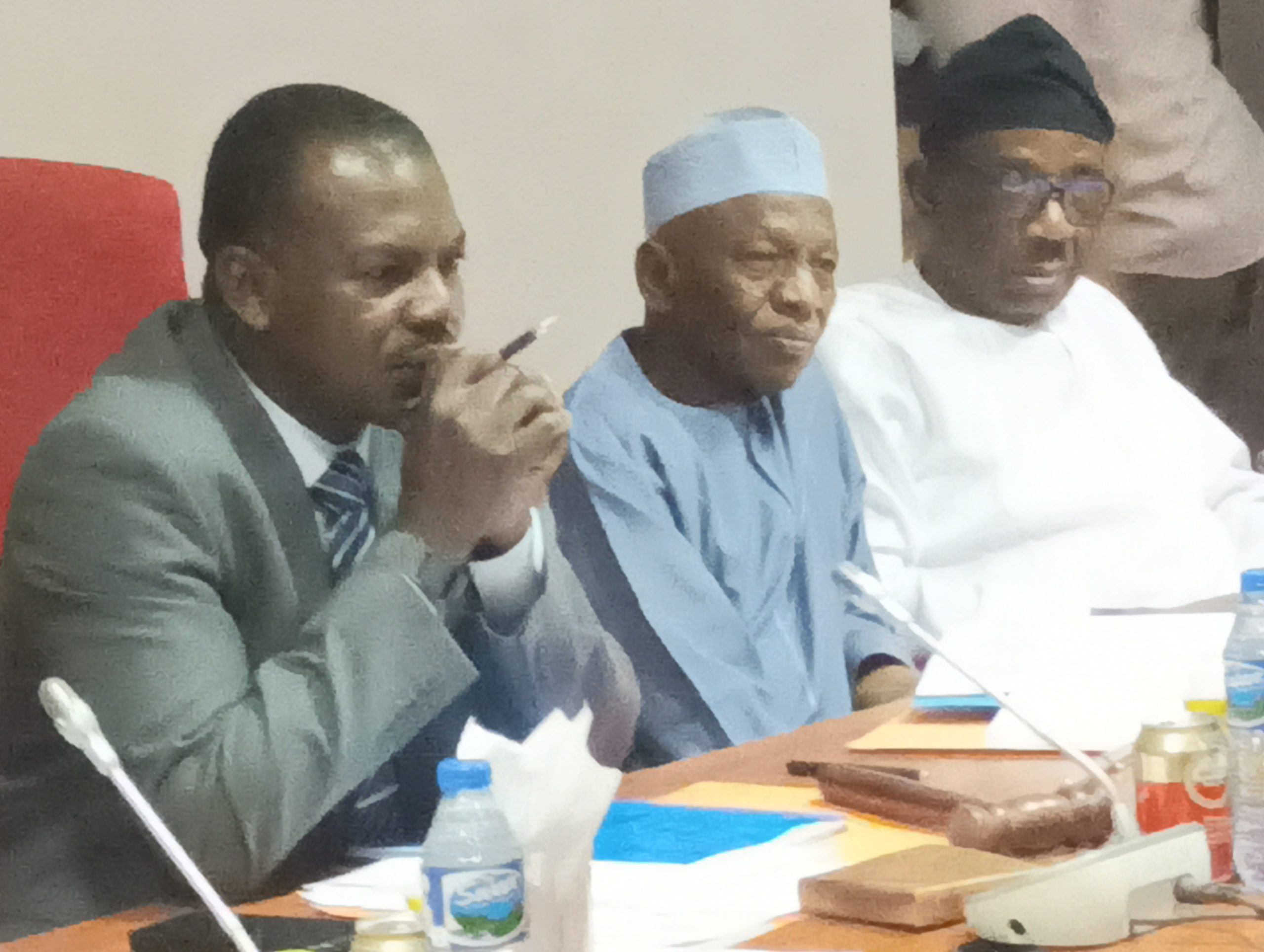
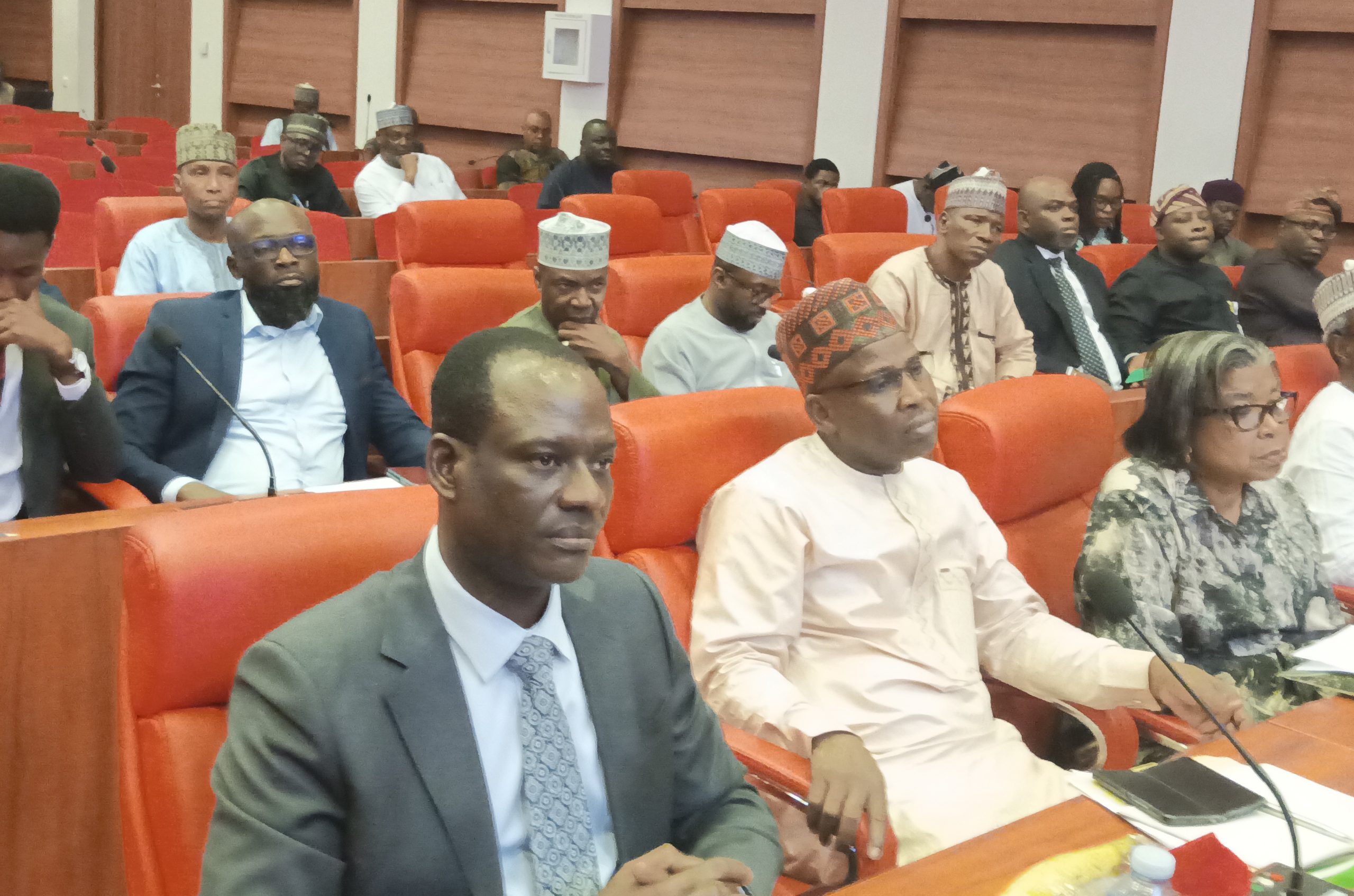
The Minister of Finance and Coordinating Minister of the Economy, Mr. Taiwo Oyedele, made the clarification while briefing the Senate Committee on Finance on the state of the nation’s economy on Monday.
Responding to concerns raised by Senator Adamu Aliero (Kebbi Central) over claims that the current administration had borrowed about ₦80 trillion in addition to the ₦75 trillion debt it inherited, Oyedele said the figures being circulated were inaccurate and did not reflect the actual level of borrowing by the Federal Government.
According to him, the country’s debt profile has been exaggerated due to accounting adjustments and repeated misrepresentation of the figures.
He explained that when the Tinubu administration assumed office, Nigeria’s public debt stood at about ₦75 trillion. He said many people simply compared that figure with the current debt stock and concluded that the government had accumulated massive new debt.
Oyedele noted, however, that the depreciation of the naira required the foreign currency component of Nigeria’s debt to be revalued since the country’s debt is reported in naira. According to him, that accounting adjustment alone increased the reported debt stock by more than ₦40 trillion.
He further explained that the securitisation of Ways and Means advances inherited from the previous administration, which was approved by the National Assembly, added about ₦33 trillion to the public debt.
According to the minister, the amount was not new borrowing but the formal recognition of existing obligations in the country’s official debt records.
He said the failure to adequately explain these adjustments had created the impression that the current administration had borrowed far more than it actually had.
“The actual amount this administration has borrowed is nowhere near what many people believe. Even in domestic borrowing, a significant portion is used to refinance existing debt. As old loans mature, new ones are raised to refinance them, and that should not be mistaken for fresh borrowing,” he said.
Oyedele added that the Tinubu administration had maintained a responsible borrowing policy, stressing that loans were being obtained mainly to finance infrastructure projects rather than recurrent or consumptive spending.
He said the government remained committed to debt sustainability and viewed borrowing as a tool for development, insisting that every naira or dollar borrowed must generate greater economic value than the amount obtained.