By Our Correspondent
The Senate has urged the South East Development Commission (SEDC) to focus on infrastructural development that will impact positively on the lives of the ordinary citizens in the region and shun white elephant projects that may be abandoned.
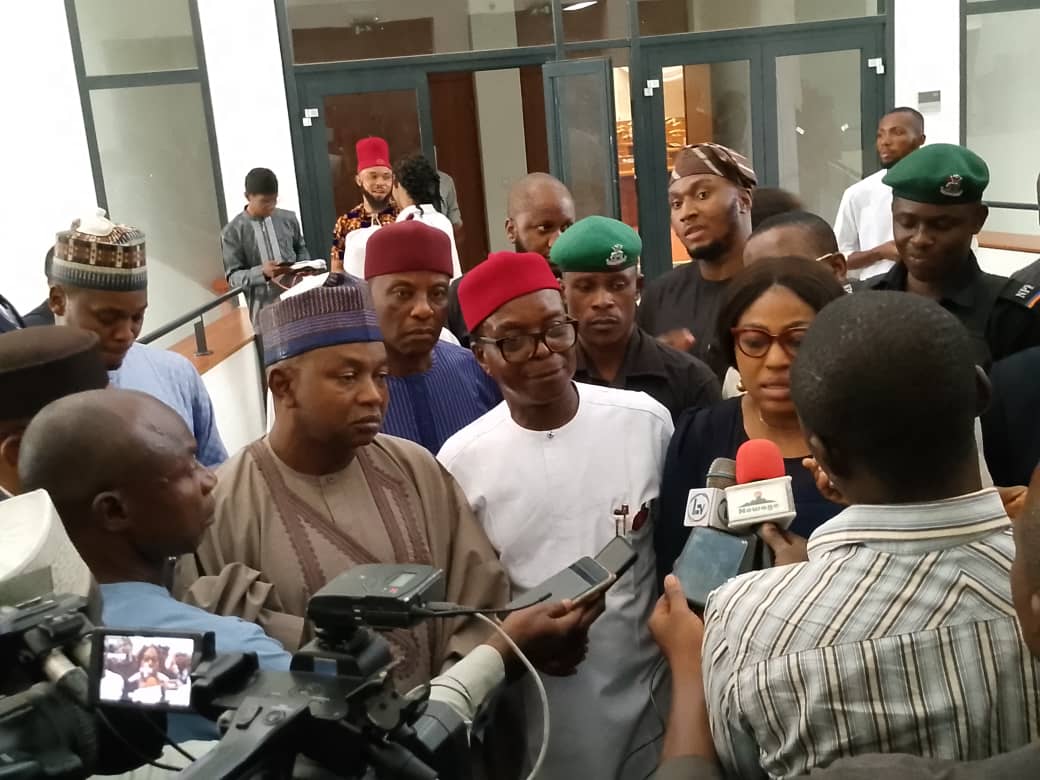
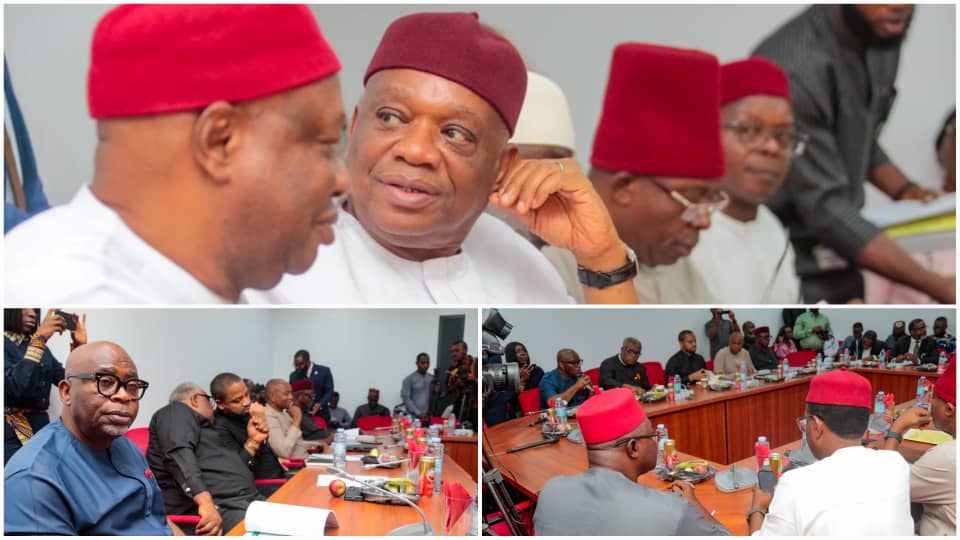
The red chamber gave this charge when the SEDC management team, led by Managing Director, Mark Okoye defended the commission’s N140 billion 2026 budget before the Senate committee on SEDC Tuesday.
Senator Orji Ujor Kalu, chairman of the committee set the stage in his opening remarks when he said that SEDC is an avenue provided by President Bola Tinubu for the people of South East to develop their region in what he called “go and do it yourself”.
Kalu who insisted that nothing should hinder the development of the South East, warned that the commission should not be used to “siphon money”.
Speaking in the same vein, a member of the committee, Senator Tony Nwoye (Anambra North) expressed concern that the region’s public hospitals and schools are in a deplorable state, with school children facing harsh conditions and advised the commission to prioritize infrastructural development, rather than venturing into areas like security, which is the responsibility of state governors.
The Managing Director of the SEDC, Mark Okoye, had presented the commission’s 2026 budget proposal of N140 billion before the Senate Committee on SEDC outlining the commission’s plans and priorities for the current year, highlighting the need for increased funding to drive development in the region.
The budget proposal allocates 78% of the funds to capital projects, 17% to overhead costs, and 5% to personnel costs.
The MD emphasized the importance of investing in the youth and promoting entrepreneurship in the southeast region noting that the commission plans to establish a venture capital fund to support startups and small businesses, and to provide training and capacity-building programmes for young people.